Edmonton, 2026

Do your part to stop Dutch elm disease (DED).

DED was first detected in Edmonton's elm trees in 2024. In 2026, we saw a record-breaking 11 new cases, bringing our total to 19 recorded cases.

DED spreads rapidly and has decimated urban elm populations across North America.

Edmontonians have a critical role to play.

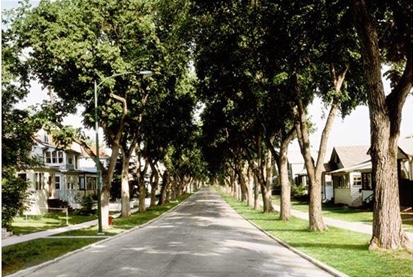
A Winnipeg residential street before Dutch elm disease, shaded by a full canopy of elms
Winnipeg, before DED. A residential street under its elms.
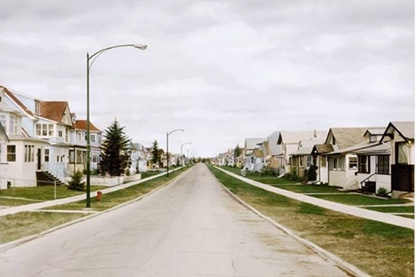
The same Winnipeg street after Dutch elm disease, with no trees along the road
Winnipeg, after DED. The same street once the elms were gone.
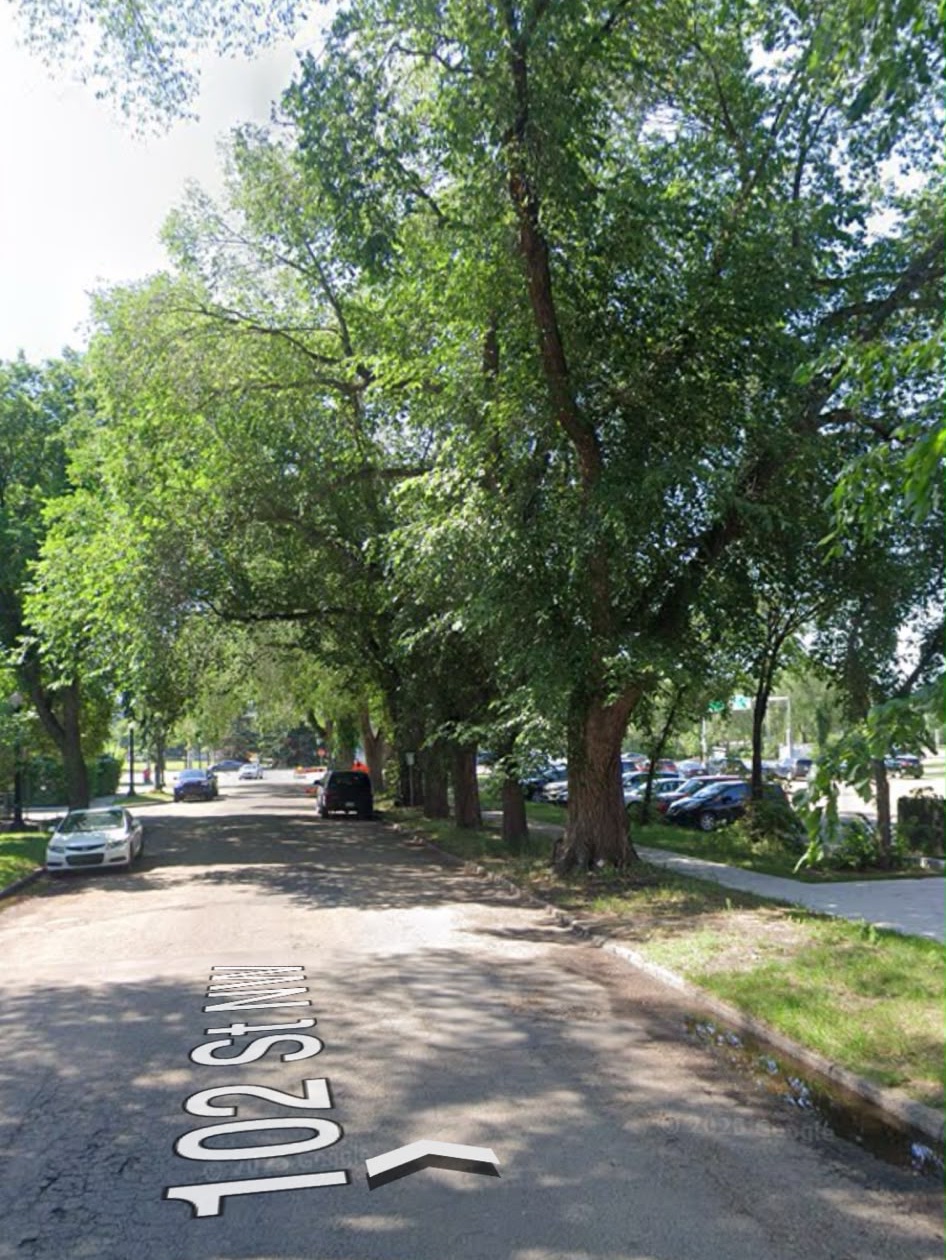
102 Street NW in Edmonton in 2025, lined with full, mature elm trees
2025. Street view image of 102 Street in Edmonton.
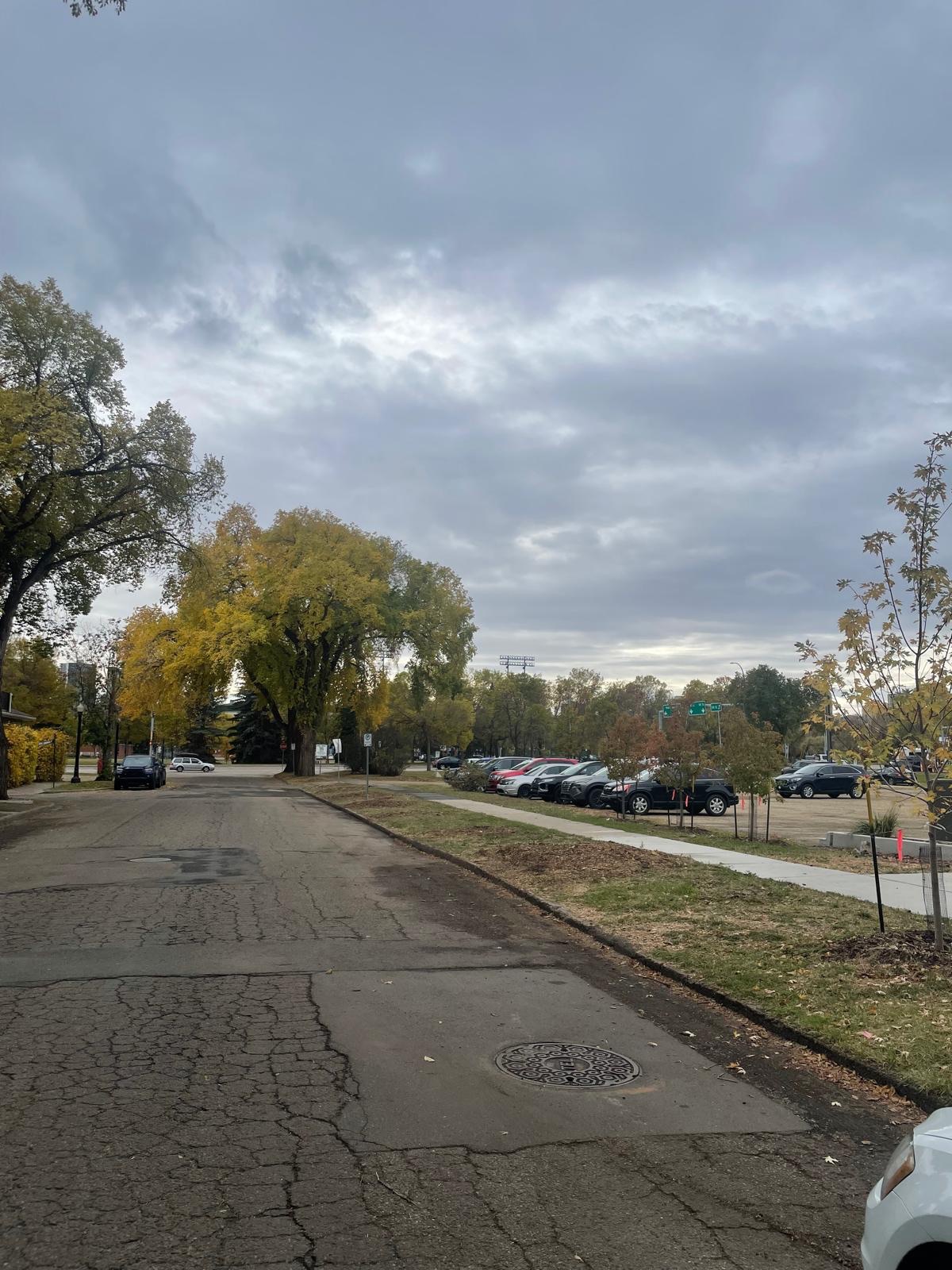
The same block of 102 Street NW in 2026 with the boulevard elms gone and open sky overhead
2026. The same street, 102 Street in Edmonton, after losing 8 elms when 2 were diagnosed with DED.

What is at stake?

90,000
public elms
22%
of our urban forest
$325M
appraised value
$5–8K
to remove one mature elm

Edmonton is home to roughly 90,000 public elms, one of the largest remaining elm canopies in North America. Elms line the boulevards of mature and new neighbourhoods, shade Hawrelak Park and city parks, and make up roughly 22% of our urban forest.

Elms are public infrastructure. Valued at $325 million, they are unique among city assets because their value appreciates each year.

When DED hit Winnipeg, the city was forced to remove upwards of 10,000 trees a year for decades. At $3,000 to $8,000 to remove one mature elm, that is an astronomical bill for taxpayers.

If you live in Edmonton, you know the value of these trees firsthand. They purify our air, sequester carbon, cool our streets in summer, improve water quality, mitigate stormwater runoff, provide vital wildlife corridors, and enhance community well-being and mental health.

Losing our elms would transform the face of our city.
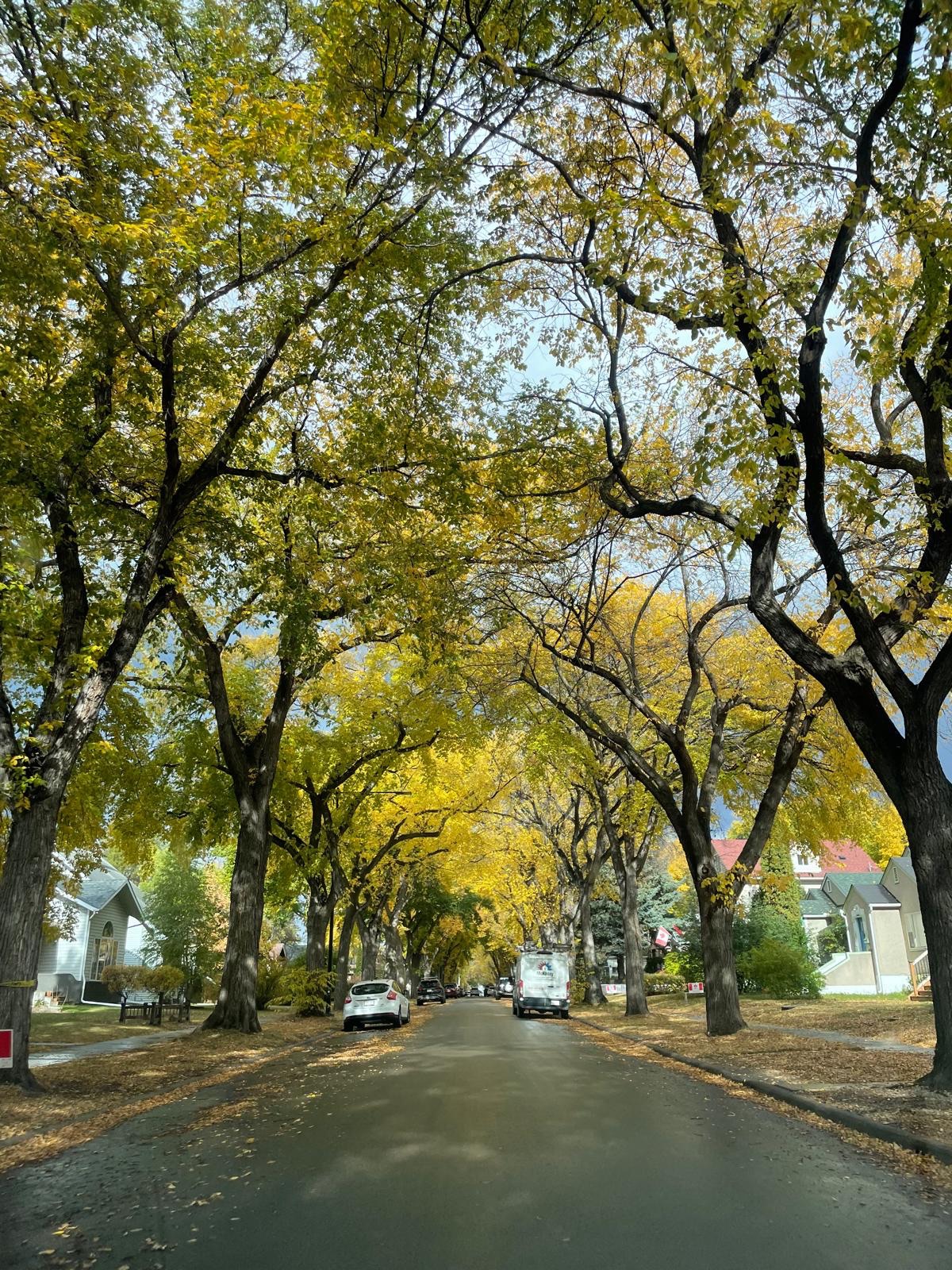
An Edmonton residential street in autumn, with mature elms arching over the road from both sides
The boulevard trees Edmontonians cherish so much are primarily elms.
Loading the map…
American elm
Siberian elm
Other elms
DED case zones

Sources: City of Edmonton tree inventory · City DED protocol zone map (zone centres read from the City's map dated 2026-09-28, to about ±40 m).

How does the disease spread?

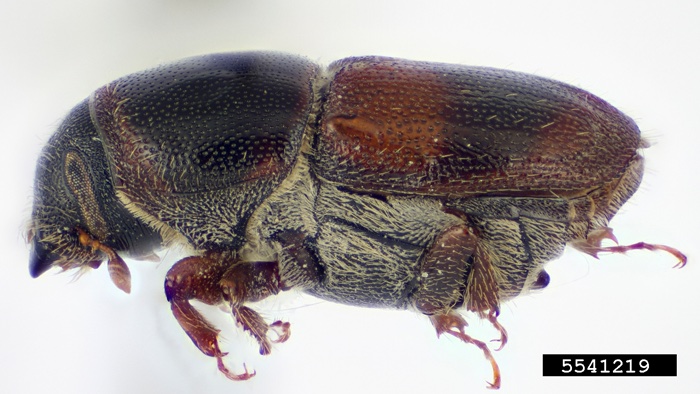
DED is a fungal infection spread by a beetle. In Edmonton, DED is carried by the Banded Elm Bark Beetle (BEBB). Understanding how this beetle interacts with different elm species is key to stopping it:

Siberian elms

Primarily naturalized areas, city parks and private yards

Siberian elms do not die from the fungal infection, but they are the primary breeding ground. The beetle overwinters and lays eggs in deadwood on Siberian elms.

American elms

Primarily boulevards and city streets

In spring, the larvae emerge as adult beetles and fly to American elms to feed. As they feed, they can introduce a fungus that chokes off the tree's water transport system, killing a mature American elm in a few weeks or months.

Before April 1, 2027

Removing deadwood, especially on Siberian elms, before beetles emerge in the spring is paramount to breaking this cycle.
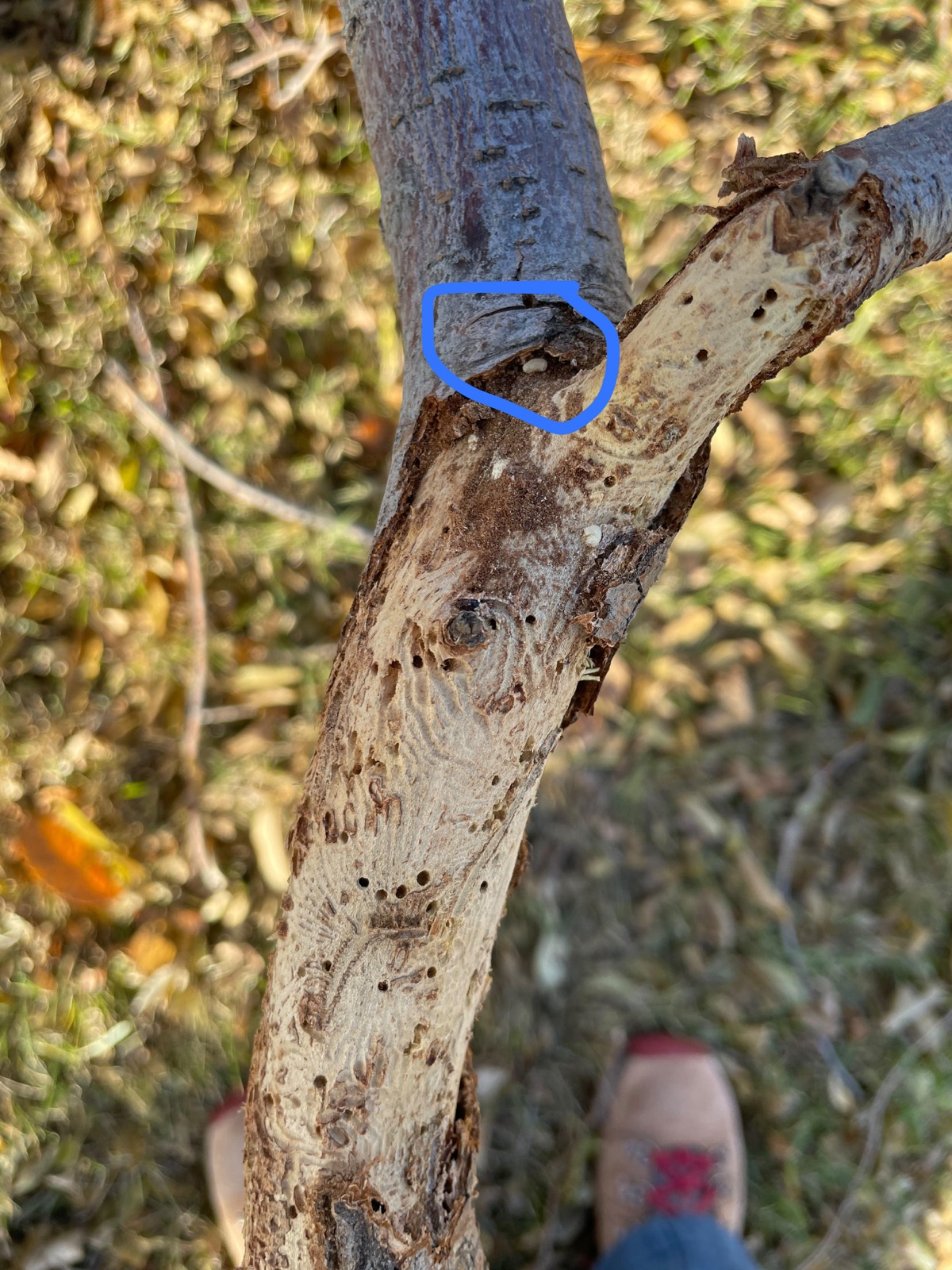
The fungus can also spread from one diseased American elm to its neighbours through their interconnected root systems. On a boulevard of contiguous elms, this means a single infected tree threatens the entire boulevard.

How can we slow down the spread?

There is a critical window to mitigate the spread, when the case counts and beetle population are relatively low.

That window is now.

Key interventions

How is the City handling this?

The Pest Management and Urban Forestry teams are taking a smart, multi-pronged approach and doing all they can with their current team size and budget. But it is clear they need more to slow the spread.

If we do not budget for proactive mitigation now, we will face exorbitant removal costs and devastating canopy loss.

Key areas where the City could fall behind without more resources

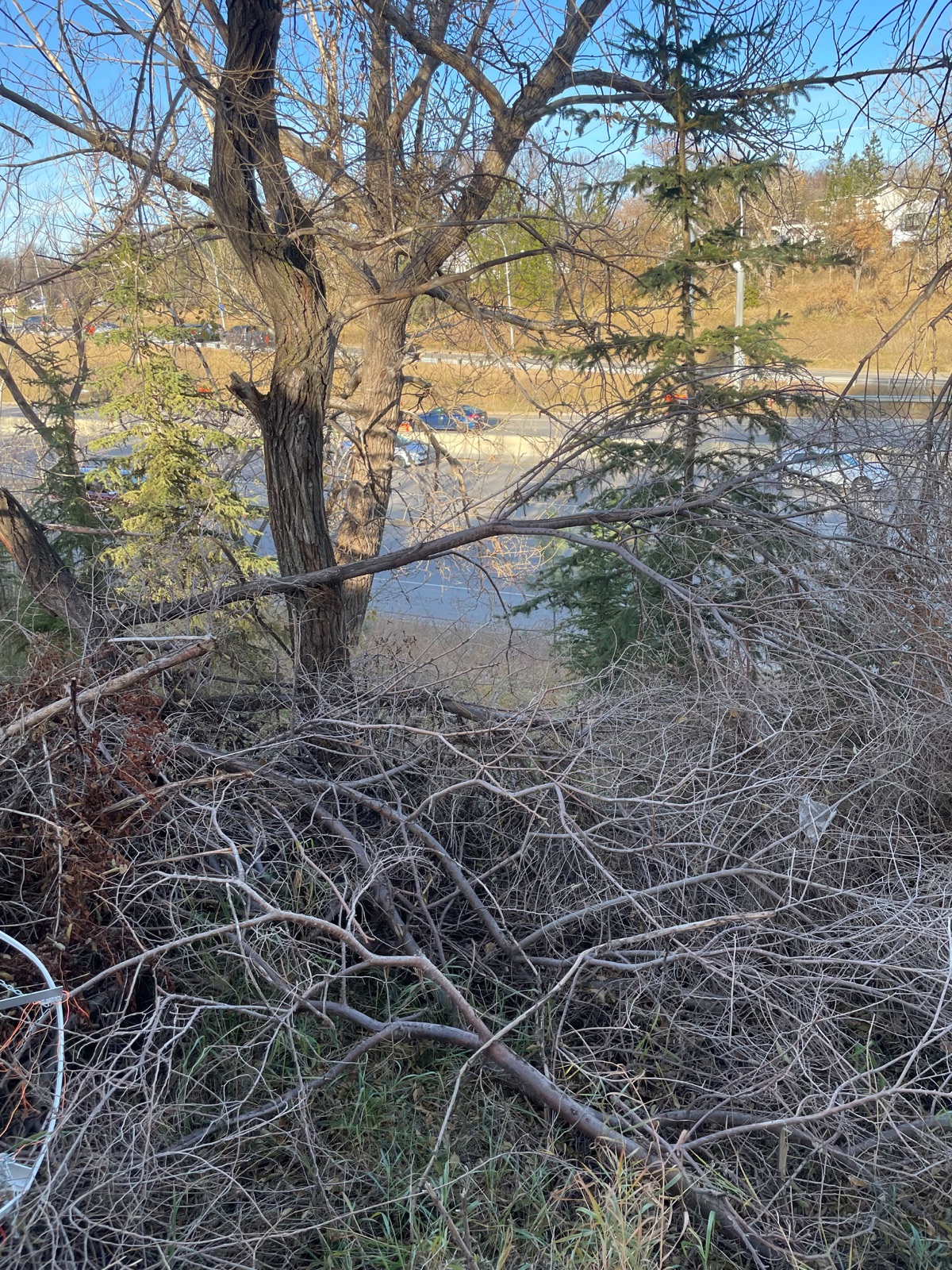
  1. A tangle of dead Siberian elm branches in a naturalized area near Highlands, with a road behind
    Dead Siberian elm wood in a naturalized area near Wayne Gretzky Drive and Highlands.
    1

    Clearing Siberian elm deadwood from natural areas

    This stand near Highlands has evidence of the beetle, and naturalized areas like it are not on any pruning cycle. The City needs sufficient resources to ensure natural areas such as this one across Edmonton are managed for the beetle before April 1, so that the larvae don't hatch and infect surrounding areas.

  2. A dead elm branch with the bark peeled back, showing beetle exit holes and galleries carved in the wood
    Banded elm bark beetle larvae found in dead Siberian elm wood.
    2

    Enforcing deadwood removal on private elms

    The City needs to be monitoring and enforcing the community standard that all private elms must remove detached and attached deadwood, as deadwood harbours the beetle that spreads the disease.

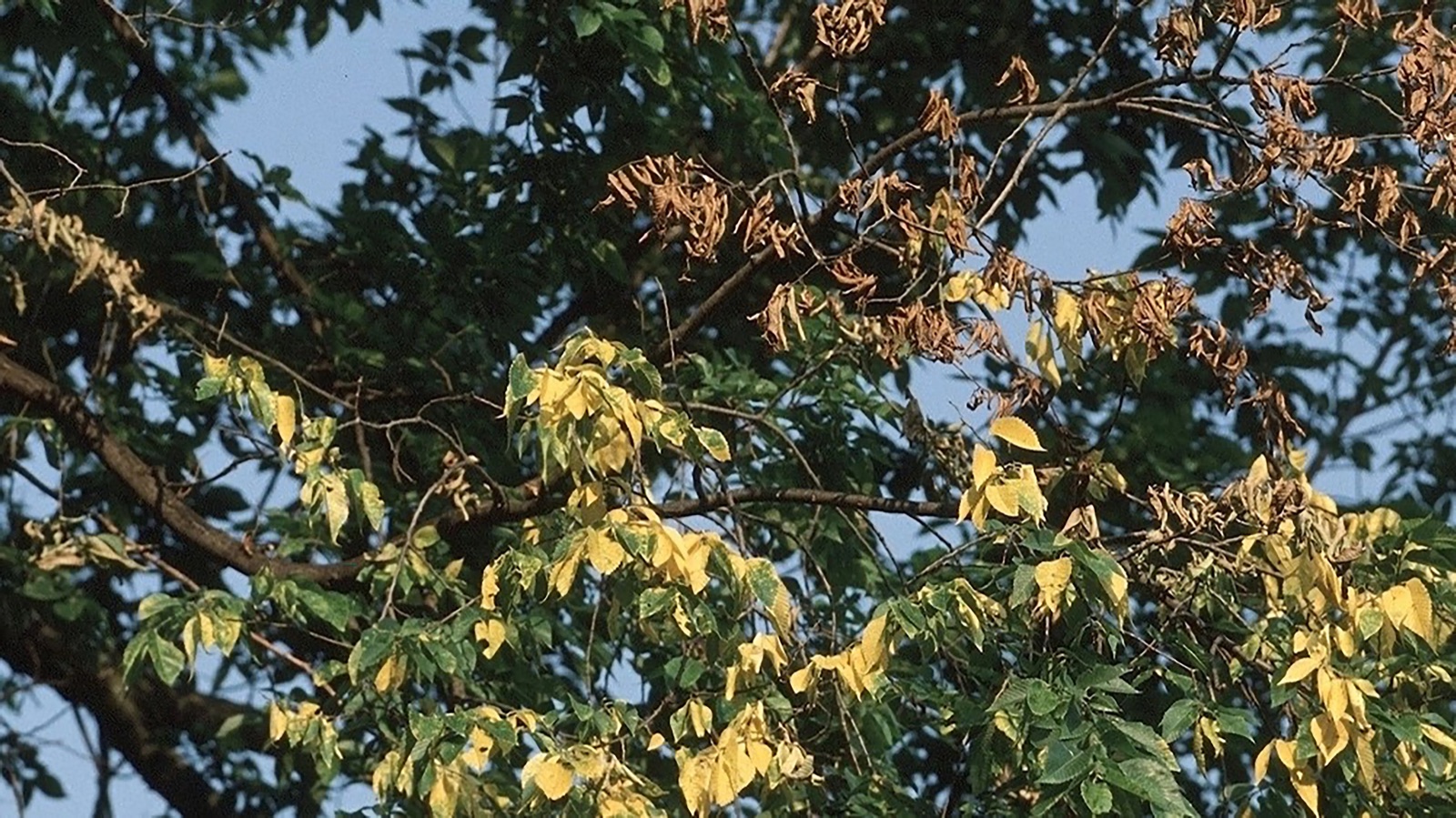
  3. An elm canopy against blue sky with patches of yellow and brown wilted leaves, an early sign of Dutch elm disease
    A diseased American elm with the quintessential early sign: "flagging".
    3

    Surveying every elm more often for early symptoms

    With more resources we could be surveying every elm within Edmonton more often. Early disease detection is critical for slowing down the spread.

Close-up photograph of a banded elm bark beetle, dark brown with a reddish band across its back
Banded elm bark beetle. Credit: Government of Alberta / Joseph Benzel, Colorado State University, Bugwood.org

Missing regulation

The beetle that spreads DED in Edmonton is not a regulated pest

Declaring the banded elm bark beetle a regulated pest under Alberta's Agricultural Pests Act would make controlling it a legal duty, and provide a stronger case for funding the work. This is a provincial decision for Alberta's Minister of Agriculture and STOPDED.

With increased budget support, the City could also expand beetle trapping, run targeted resident education campaigns, waive commercial elm disposal fees at waste facilities, scale up tree inoculation and chemical interventions, and fund local research.

Do your part.

Edmontonians have a vital role to play in advocacy and surveillance.
Together we can slow down the spread of this disease.

  1. 1

    Join us

    Show City Council that Edmontonians care about our canopy, and receive critical actions you can take throughout the beetle and elm cycle.

  2. 2

    Find and clear Siberian elm deadwood (Oct 1 to Apr 1)

    Learn to spot a Siberian elm, check it for deadwood, and inform the City or your neighbours as needed.

  3. 3

    Email your councillor, it does make a difference

    Ask your Councillor to fund removal of all elm deadwood before April 1, increased surveillance, rapid response and research in the upcoming budget.

  4. 4

    Speak at the budget hearing (Nov 24)

    Register to speak and share why the elms matter to you.

  5. 5

    Spread the word

    Share this site with your Community League, neighbours, friends, and local community groups.